Kalpa and Reckong Peo
Reckong Peo is the mountain town where you collect your permit, and Kalpa is a village nearby. Neither needs a protected area permit.
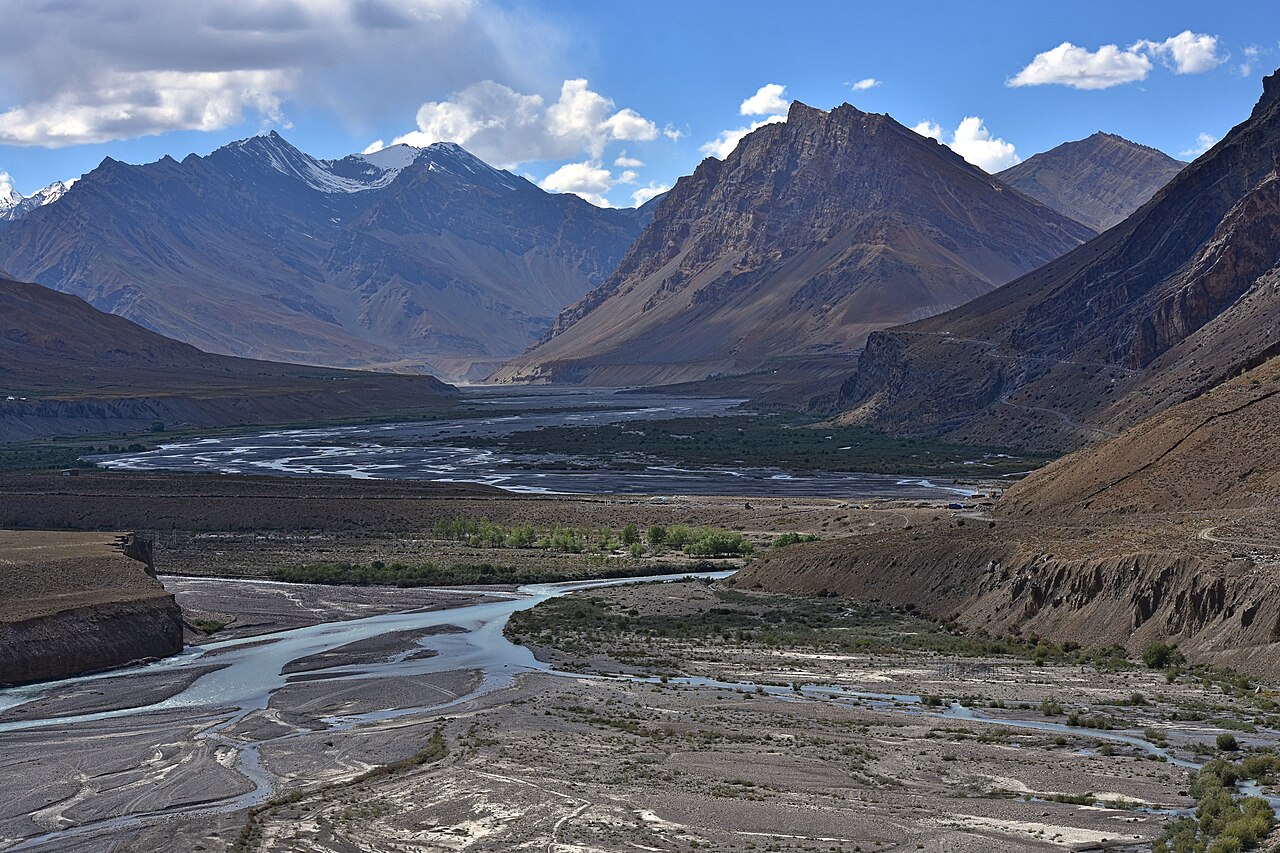
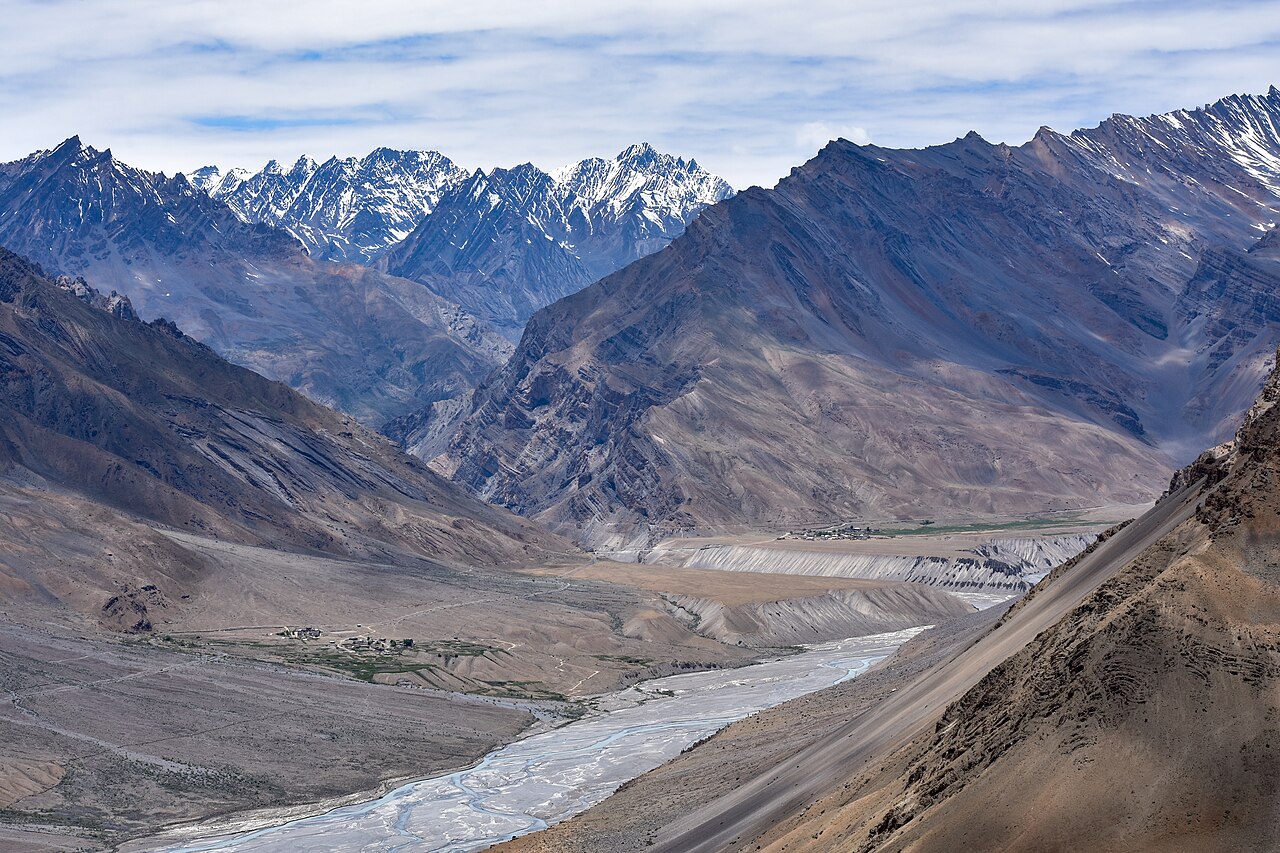
Spiti is for you if long days on rough roads and simple rooms sound fine. It's high and very dry, with big mountain views and few other people around. Permit rules differ by route and change by season, so read the notices before you plan. Skip it if you have young children, and get medical clearance for the altitude.
Go in the coloured months. The black ones are best avoided.
Reckong Peo is the mountain town where you collect your permit, and Kalpa is a village nearby. Neither needs a protected area permit.
A village at about 3,620 m on the Kinnaur side. It's on the permit list, so sort that first.
A major gompa, a Tibetan Buddhist monastery, in the valley. Tabo is on the permit list.
A monastery village high above the valley, at about 3,894 m. It's on the permit list.
The valley's main town, at about 3,650 m. You'll find the newest hotels and most services here.
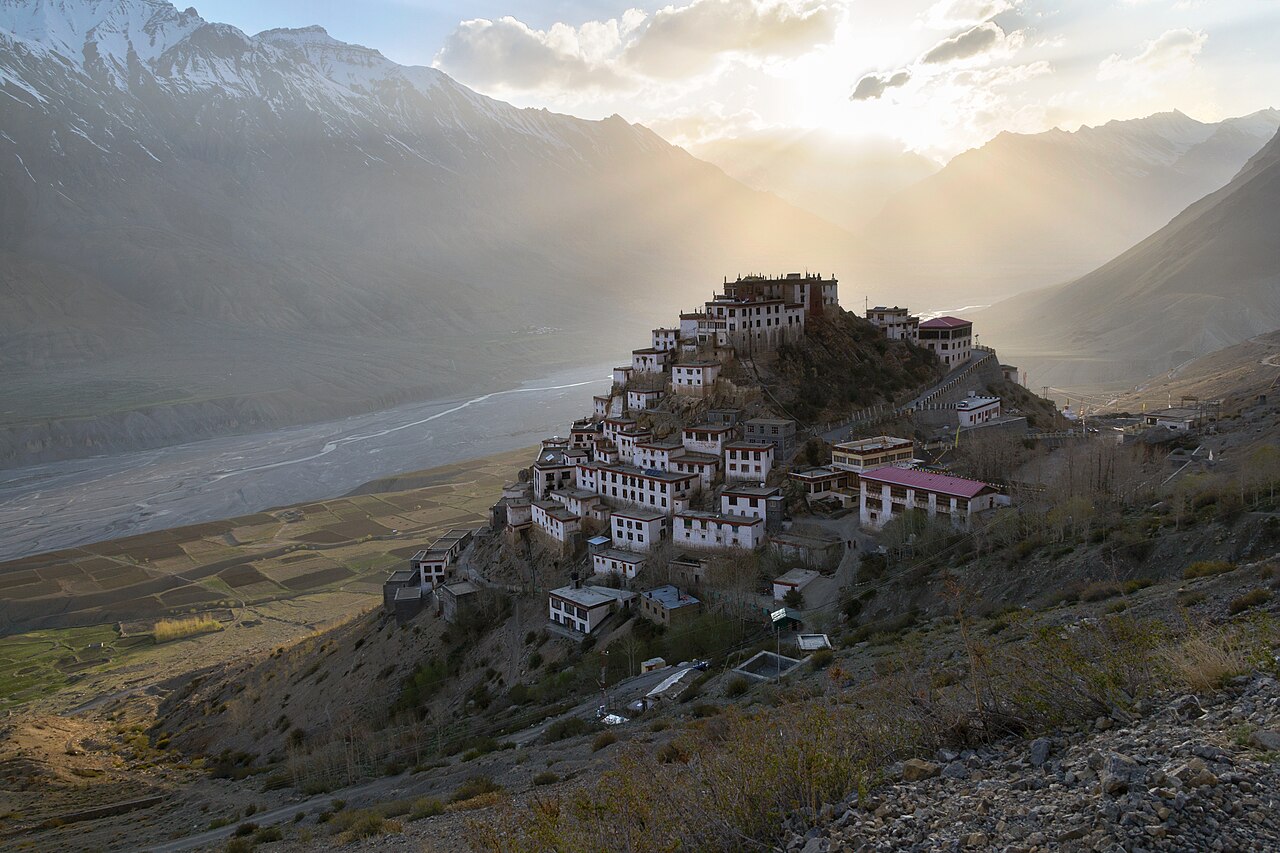
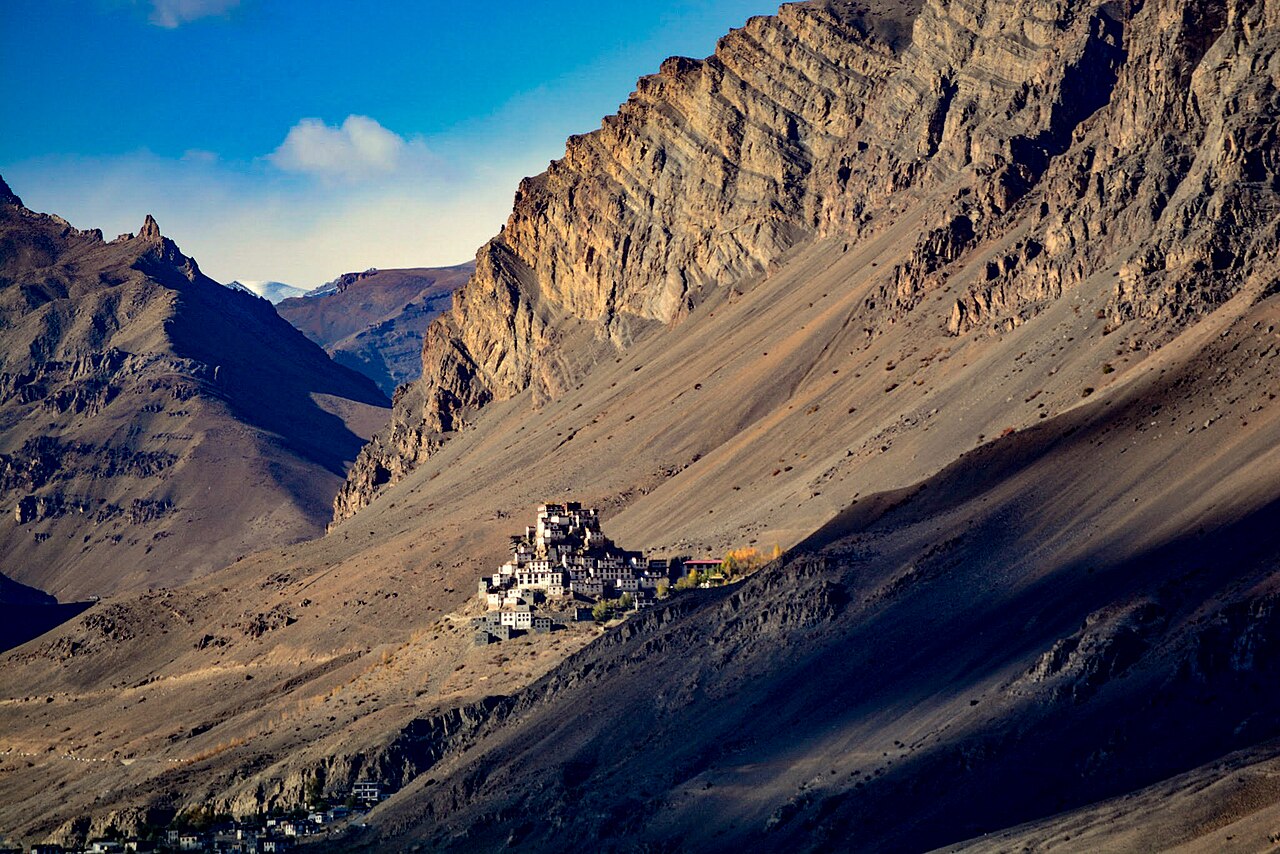
Key is a large monastery on a hill, and Kibber is a high village at about 4,200 m. Neither is on the permit list.
A high lake you can only reach in summer when the road is open. Ask local drivers about the road first.
The pass road to Manali is summer-only, and snow closed it on 15 October 2026. After that, go back by Kinnaur and Shimla.
Spiti eats for the cold: barley, noodles and tea, cooked in homestays and small Kaza cafes. Most tourist places shut when winter closes in, so ask what's open, and let your homestay feed you.
Hot tea made from sharp orange Himalayan berries. Order a cup in Kaza.
Vegetarian
A soup of flat, hand-pulled noodles, thicker than thukpa. A good bowl after a day on rough roads.
Noodle soup with vegetables or meat, the everyday hot meal in Kaza and at village homestays.
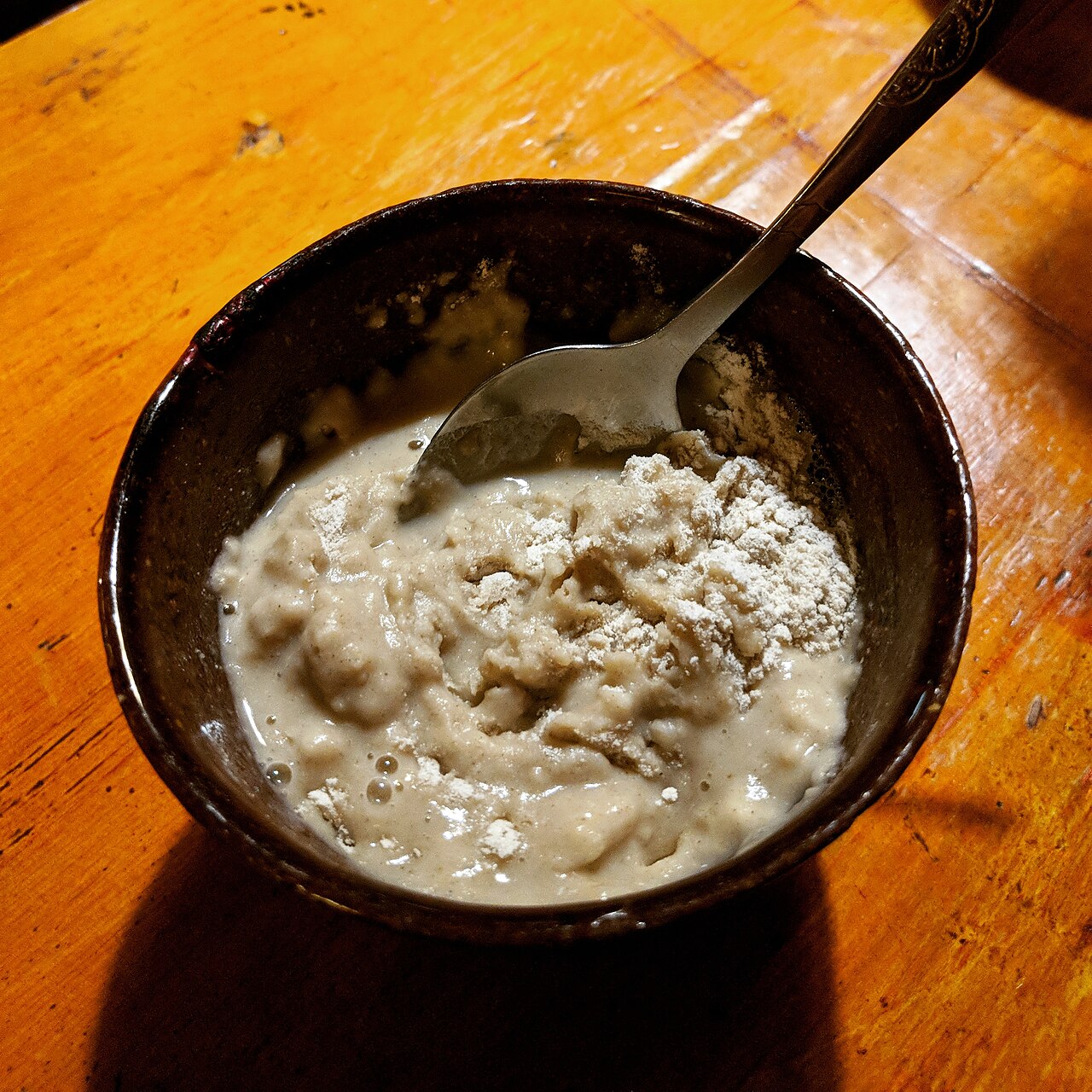
Roasted barley flour, one of the oldest foods in the valley. Homestays and cafes serve it, often with butter tea.
Vegetarian
Dal and rice on the high road. One source names it, and it depends on the pass being open.
Cheap eatsCoffee and vegetarian momos, dumplings, at a social enterprise cafe.
Cheap eatsThukpa and sea buckthorn tea from a mixed Tibetan, Indian and Italian menu.
Cheap eats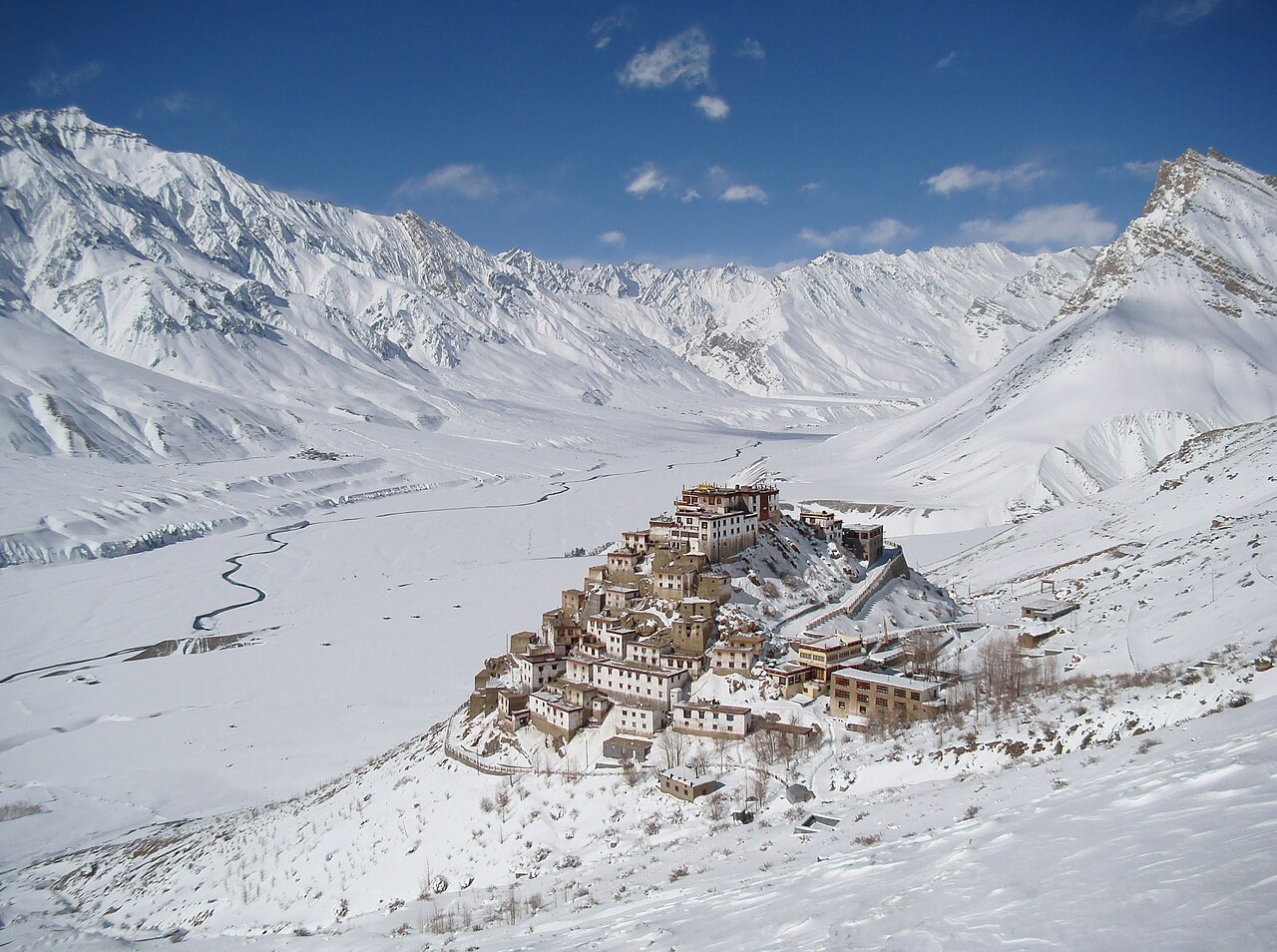
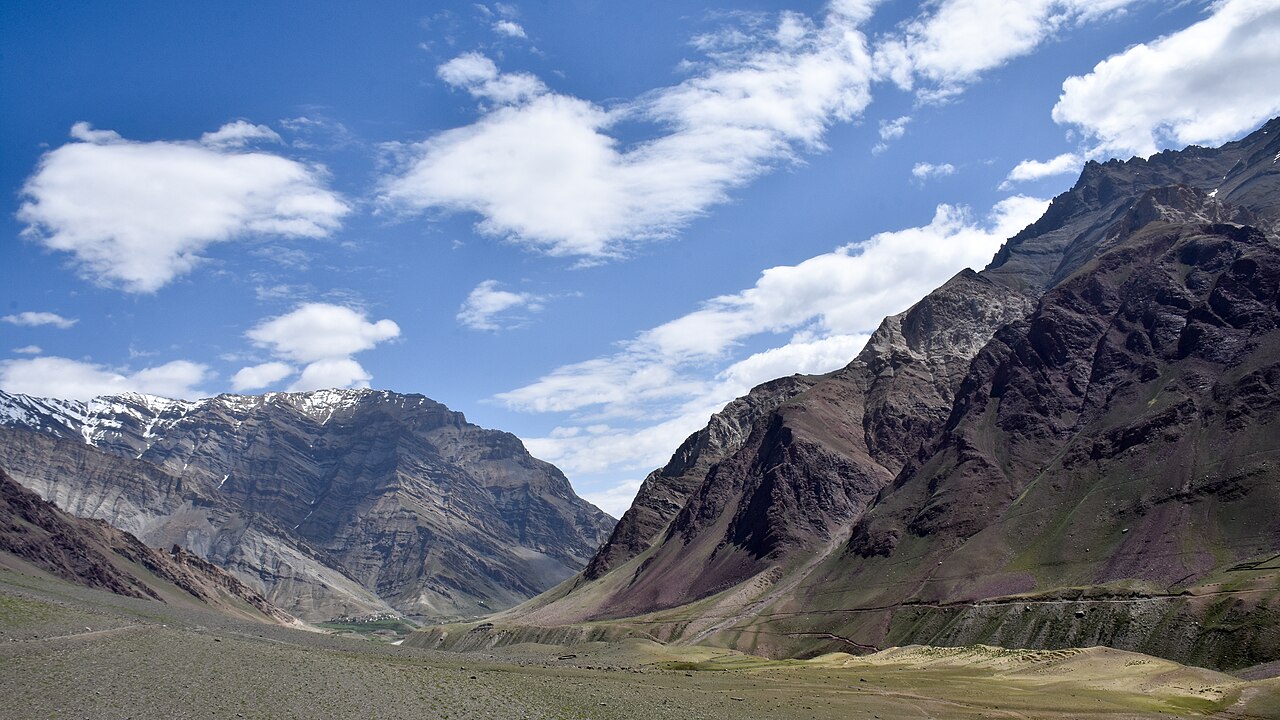
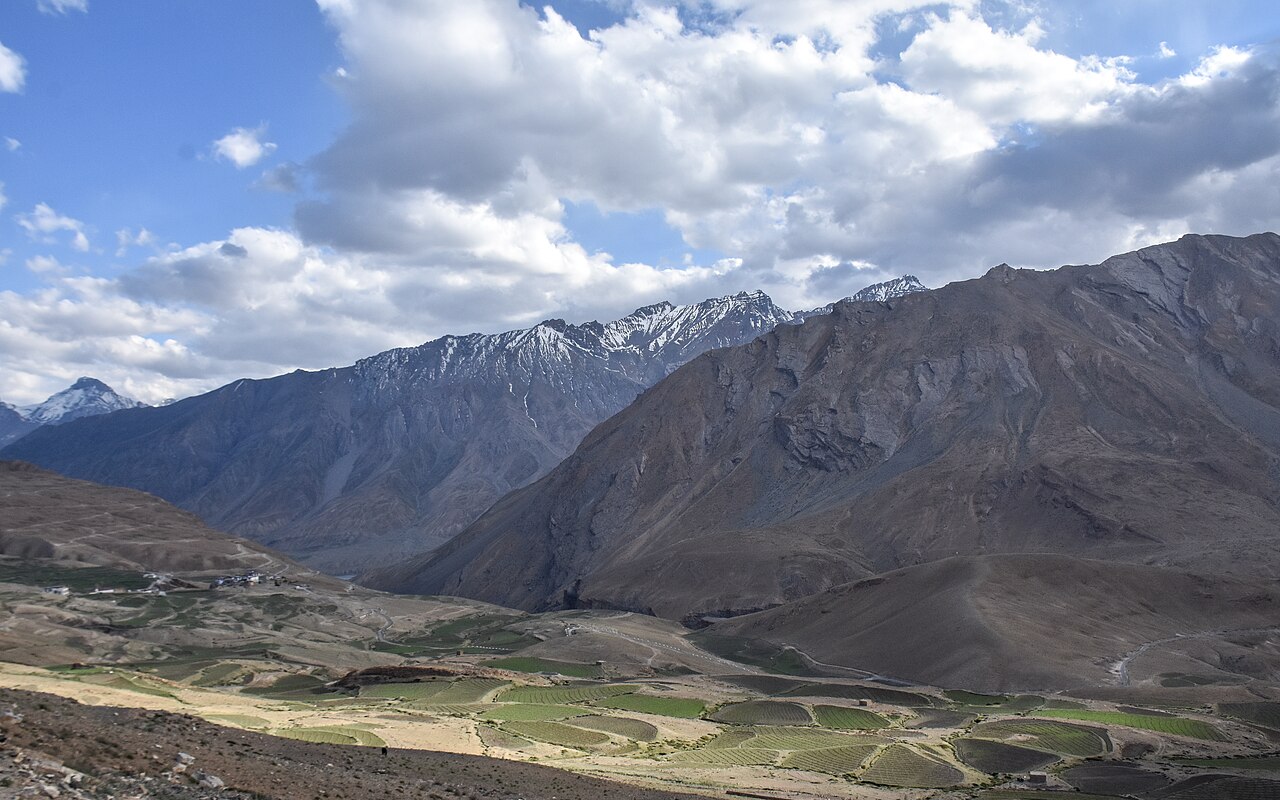
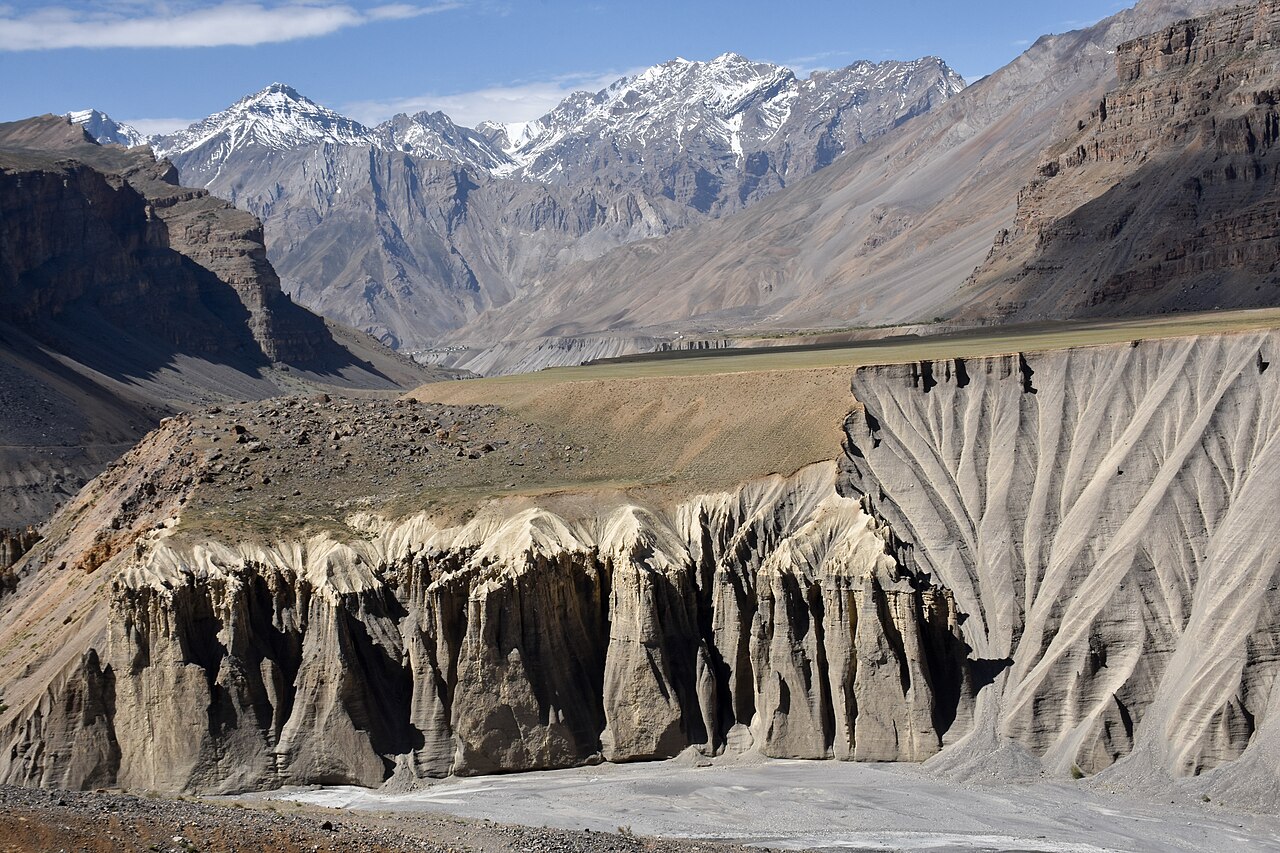
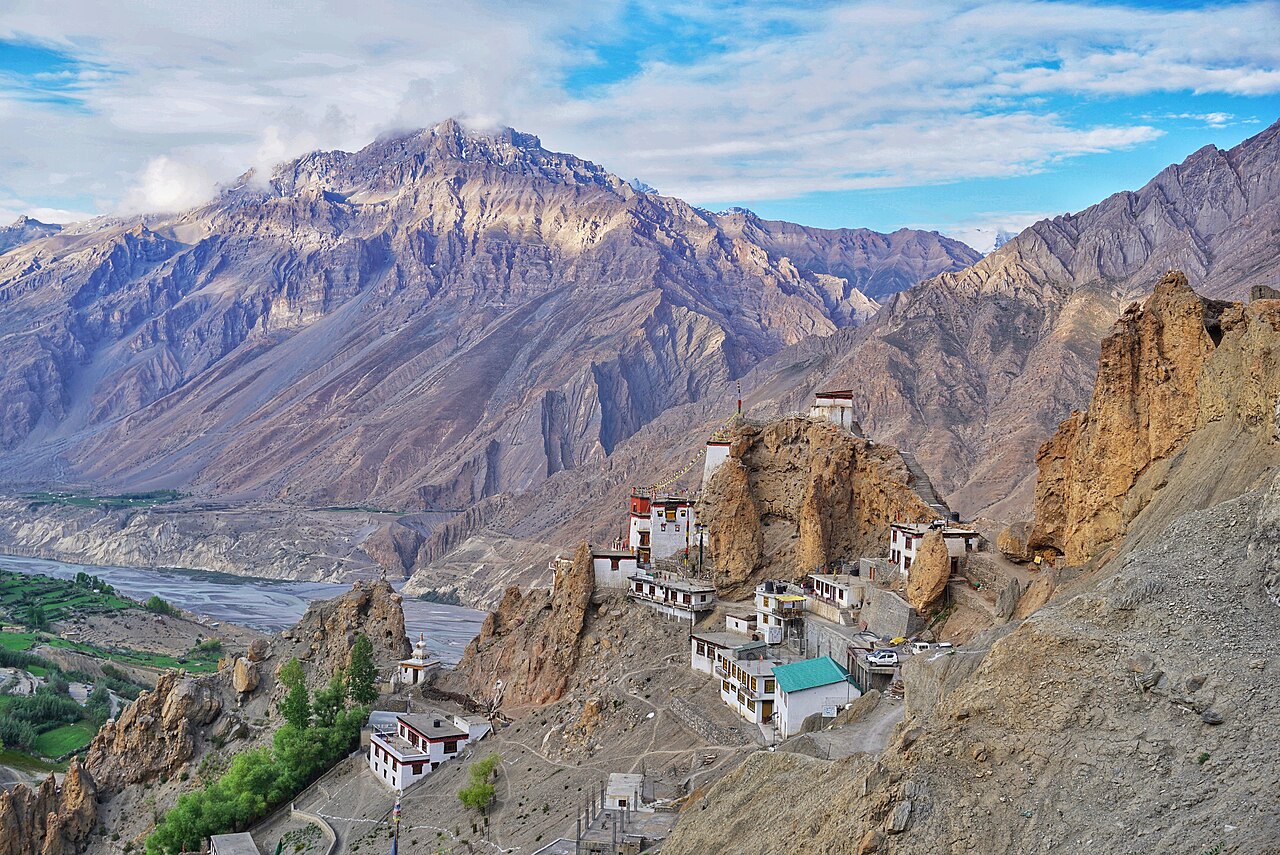
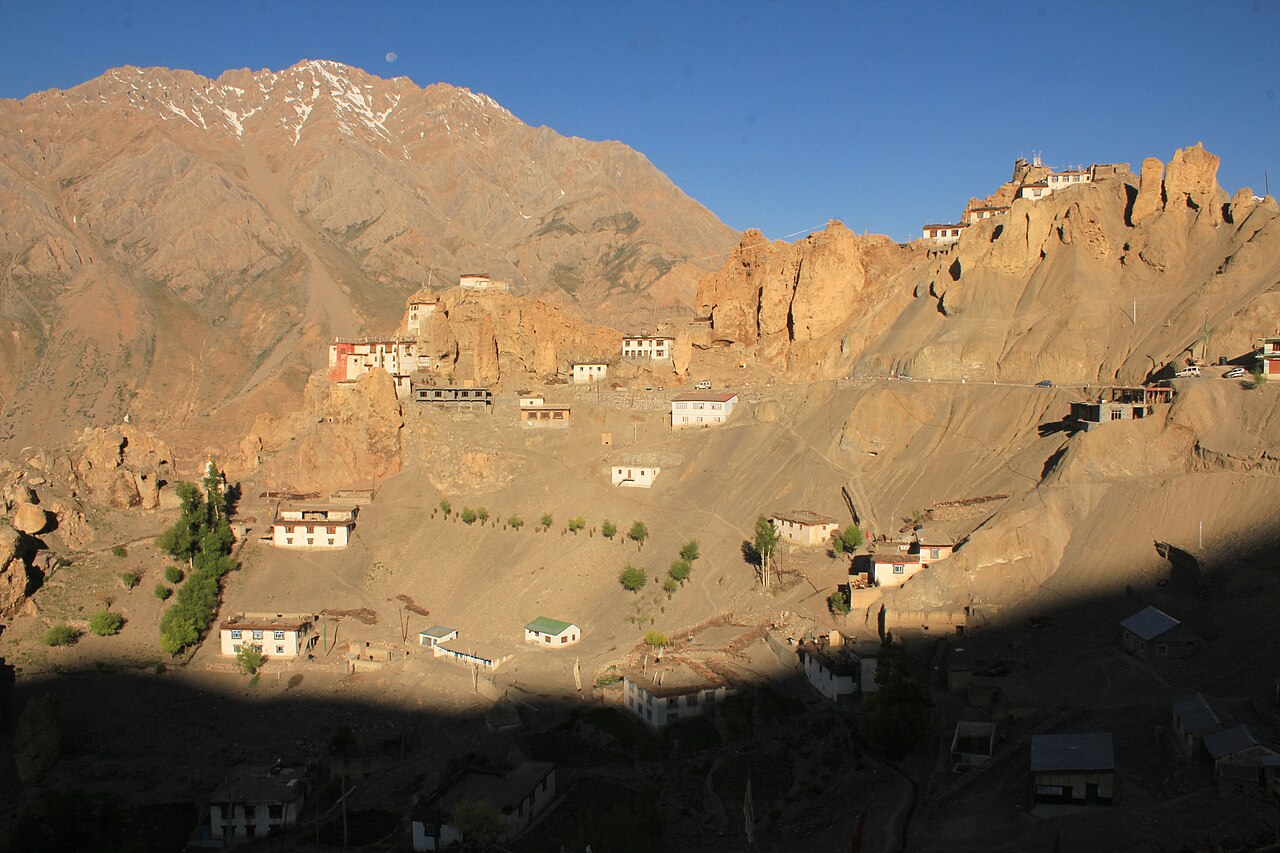
Come from Manali if the Kunzum Pass is open: about 201 to 225 km and 10 to 12 hours, summer only. Otherwise go from Shimla via Reckong Peo, about 412 to 468 km in total, with 8 to 10 hours to Reckong Peo. There are no flights. Plan short daytime stages, as landslides can add hours.
Kaza The best-served base, with hotels and homestays, and the one to pick if you want services close.
Village homestays Away from Kaza it's mostly family homestays with simple rooms, so go if simple suits you.
You need a protected area permit (PAP) for Dhankar, Tabo, Nako and other villages on the 2025 list; Kaza, Key, Kibber, Langza, Reckong Peo, Kalpa, Sangla and Chitkul aren't on it. A 2023 page says two or more people, up to 30 days, Rs 200, from the local officer at Kaza, Pooh or Kalpa, so confirm today; solo permits aren't clear, so join an agency group or ask first.
Get insurance for altitudes over 2,400 m and helicopter rescue, as the UK advises: Kaza is about 3,650 m, Kibber about 4,200 m. Carry cash, water and medicine: services are thin and signal limited.
Assume the Kunzum pass road from Manali is closed: snow shut it on 15 October 2026 and no reopening has been reported. Use the year-round Shimla and Kinnaur side, though landslides can delay it.
Follow the 2025 order, which lists Tabo, though its monastery website says foreigners need no permit via Kaza. A 2023 Himachal page says a summer Manali, Kaza, Key, Kibber, Kunzum loop needs no protected area permit (PAP), but the Tabo and Nako approach from Shimla does.
Sources differ on this, or we have only one, so check locally.
Ask your driver or guesthouse about road conditions the evening before each leg. Don't use the district road-status page, which hasn't been updated since May 2024.